

Understanding pan tilt security cameras
What Makes Pan Tilt Cameras Stand Out?
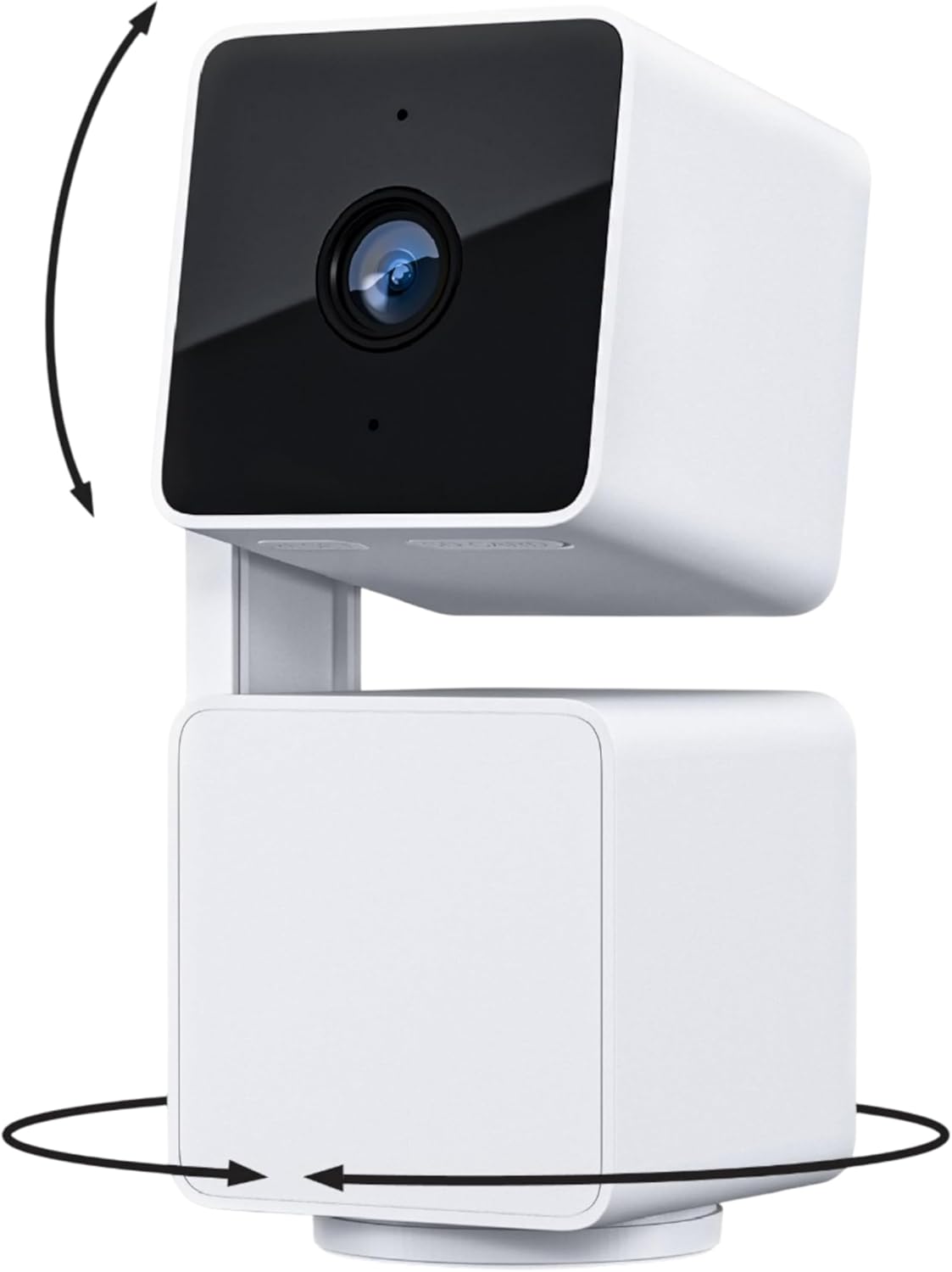
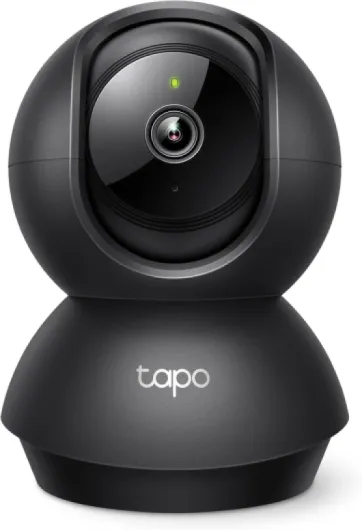
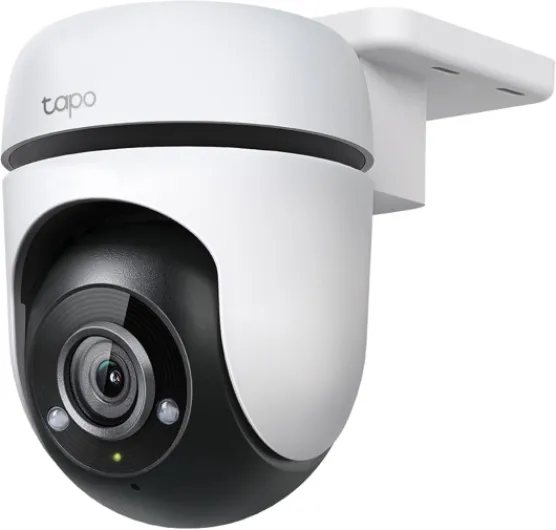
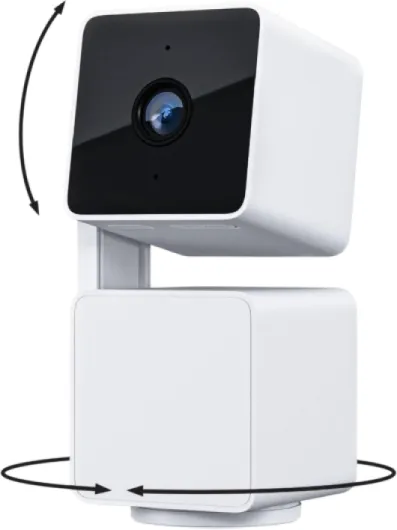
Pan tilt security cameras, often called PTZ (pan-tilt-zoom) cameras, are a smart choice for anyone looking to enhance their home security. Unlike fixed surveillance cameras, these devices can move horizontally (pan) and vertically (tilt), giving you a much wider field of view. This flexibility allows you to monitor large areas with a single camera, reducing the need for multiple units and making it easier to save on your overall security pack.
How Pan Tilt Technology Works
PTZ cameras use motors to control their pan and tilt functions, which can be managed remotely through a mobile app or desktop software. Many modern models support real time motion detection and auto tracking, so the camera can follow movement across its range. This is especially useful for outdoor security, where you want to capture every angle and respond quickly to any suspicious activity. Some cameras even offer color night vision, improving picture quality in low-light conditions.
Key Differences from Traditional Cameras
- Coverage: Pan tilt cameras can cover more ground than standard fixed cameras, making them a great camera option for both indoor security and outdoor surveillance.
- Zoom: Many PTZ models include tilt zoom features, allowing you to focus in on details without losing clarity.
- Smart Features: Integration with wifi, motion detection, and audio support means these cameras can alert you instantly and even let you communicate through two-way audio.
Why Consider a Pan Tilt Security Camera?
Choosing a pan tilt security camera can be a good investment for those who want flexible, smart, and reliable surveillance. Whether you’re looking for wired pan models for stable connections or wireless options for easy installation, there’s a wide range of cameras to fit your needs. If you’re interested in learning more about advanced PTZ technology and how it can improve your home security, check out this closer look at advanced home security cameras.

Key features to look for in a pan tilt security camera
Essential Capabilities for Effective Home Surveillance
When evaluating a pan tilt security camera, it's important to focus on features that truly enhance your home security. Not all cameras are created equal, and the right combination of technology and usability can make a significant difference.- Pan, Tilt, and Zoom (PTZ) Functions: The ability to pan and tilt allows the camera to cover a wider area, reducing blind spots. Some models also offer zoom security, letting you get a closer look at details without losing picture quality.
- Motion Detection and Auto Tracking: Advanced motion detection can alert you in real time when movement is detected. Auto tracking means the camera will follow the motion, ensuring continuous coverage of any activity.
- Night Vision and Color Night Vision: Good night vision is essential for 24/7 surveillance. Some cameras now offer color night vision, providing clearer images even in low-light conditions.
- Audio Support: Two-way audio lets you communicate through the camera, which is useful for both indoor security and outdoor security scenarios.
- Connectivity Options: Many pan tilt cameras support wifi for easy installation, while others offer wired pan connections for more stable performance. Consider what works best for your setup.
- Outdoor and Indoor Use: Look for cameras rated for outdoor security if you plan to monitor exterior spaces. Weather resistance and durability are key for tilt outdoor models.
- Picture Quality: High-definition video ensures you can clearly identify faces and details. Great camera models offer crisp, clear footage day and night.
- Storage and Pack Save Options: Some cameras come with free cloud storage or support local storage. Pack save deals can help you cover more areas at a better sale price.
Smart Integrations and User Experience
A smart security camera should be easy to use and integrate with your existing systems. Features like app control, real time notifications, and compatibility with other smart home devices can make managing your surveillance cameras more convenient. Some models even support voice assistants, adding another layer of control. For those interested in advanced installation options, such as mounting a PTZ camera on a drop-down ceiling, you can find more details in this guide on enhancing home security with a PTZ camera mounted on a drop-down ceiling. Remember, the right combination of features will depend on your specific needs, whether you prioritize indoor security, outdoor coverage, or a balance of both. Always compare the price, support, and included features before making a decision.Benefits of using a pan tilt security camera at home
Enhanced Coverage and Flexibility
One of the biggest advantages of a pan tilt security camera is its ability to cover a much wider area compared to fixed cameras. With pan and tilt functions, you can remotely adjust the camera’s view to monitor different parts of your home, both indoors and outdoors. This flexibility means you need fewer cameras to cover the same space, which can help you save on equipment costs. Many modern models also support auto tracking, allowing the camera to follow motion in real time for more effective surveillance.
Improved Motion Detection and Real-Time Alerts
Pan tilt cameras often come with advanced motion detection features. When movement is detected, the camera can automatically follow the action, record footage, and send real-time alerts to your phone or email. This is especially useful for outdoor security, where unexpected activity can happen at any time. Some cameras even offer color night vision, so you get clear images even in low-light conditions. This combination of motion detection and night vision provides peace of mind, whether you’re at home or away.
Smart Features for Modern Security Needs
Today’s pan tilt security cameras are packed with smart features. Many models support wifi connectivity, making installation easier and allowing you to monitor your home remotely through a mobile app. Two-way audio lets you communicate with visitors or warn off intruders, while high-definition picture quality ensures you don’t miss any details. Some cameras offer PTZ (pan tilt zoom) capabilities, so you can zoom in on suspicious activity for a closer look. If you’re looking for a good surveillance camera setup, these features can make a big difference.
Cost-Effective Solutions and Bundled Packs
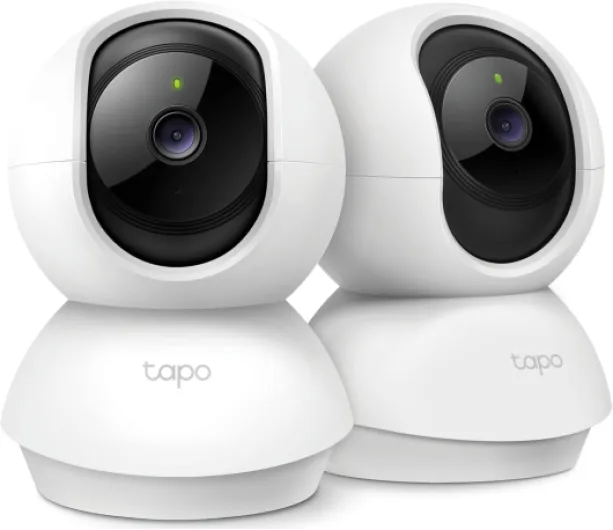
Many brands offer pack save deals, where you can purchase multiple cameras at a sale price. This is a great way to build a comprehensive security system without breaking the bank. Wired pan tilt cameras are also available for those who prefer a more stable connection, while wireless options provide more flexibility in placement. Whether you’re looking for indoor security or a tilt outdoor camera, there are options to fit different budgets and needs.
Challenges and limitations of pan tilt security cameras
Potential Drawbacks to Consider
While pan tilt security cameras offer impressive flexibility and coverage, they are not without their challenges. Understanding these limitations can help you make a more informed decision and set realistic expectations for your home security setup.
- Coverage Gaps: Even though a pan tilt camera can move to cover wide areas, it can only focus on one direction at a time. If the camera is facing one way, it may miss motion or activity happening elsewhere. This is important to remember if you are relying on a single camera for large spaces.
- Motion Detection Limitations: Some pan tilt cameras may struggle with fast-moving objects or may not always track motion accurately, especially in low-light conditions. While features like auto tracking and motion detection are smart, they are not foolproof and can sometimes miss subtle movements.
- Network and Connectivity: Many pan tilt cameras use wifi for real time streaming and control. If your wifi signal is weak or unstable, you might experience lag, dropped connections, or poor picture quality. Wired pan tilt cameras can solve this, but they require more complex installation.
- Night Vision Performance: Not all cameras offer the same quality of night vision. Some models provide color night vision, while others only support basic infrared. Inexpensive cameras may have limited range or clarity at night, which can impact your security.
- Audio and Privacy Concerns: Two-way audio is a great camera feature, but it can also raise privacy issues. Make sure you understand how audio is recorded and stored, and check if your camera supports free or paid cloud storage options.
- Outdoor Durability: If you need outdoor security, not every pan tilt camera is built for harsh weather. Look for cameras rated for outdoor use to avoid damage from rain, dust, or extreme temperatures.
- Price and Value: The sale price of pan tilt cameras can vary widely. While a pack save deal might seem attractive, always compare features like zoom security, night vision, and motion detection to ensure you get good value for your money.
- Complex Setup: Advanced features such as PTZ (pan tilt zoom), auto tracking, and high-resolution picture quality may require more complicated installation and configuration, especially for indoor security or tilt outdoor setups.
Despite these challenges, many users find that the benefits of pan tilt security cameras outweigh the limitations, especially when combined with thoughtful installation and the right support features. Always review the camera’s specifications and user reviews before making a purchase, and consider your unique needs for surveillance cameras at home.
Tips for installing and positioning your pan tilt security camera
Finding the Best Spot for Maximum Coverage
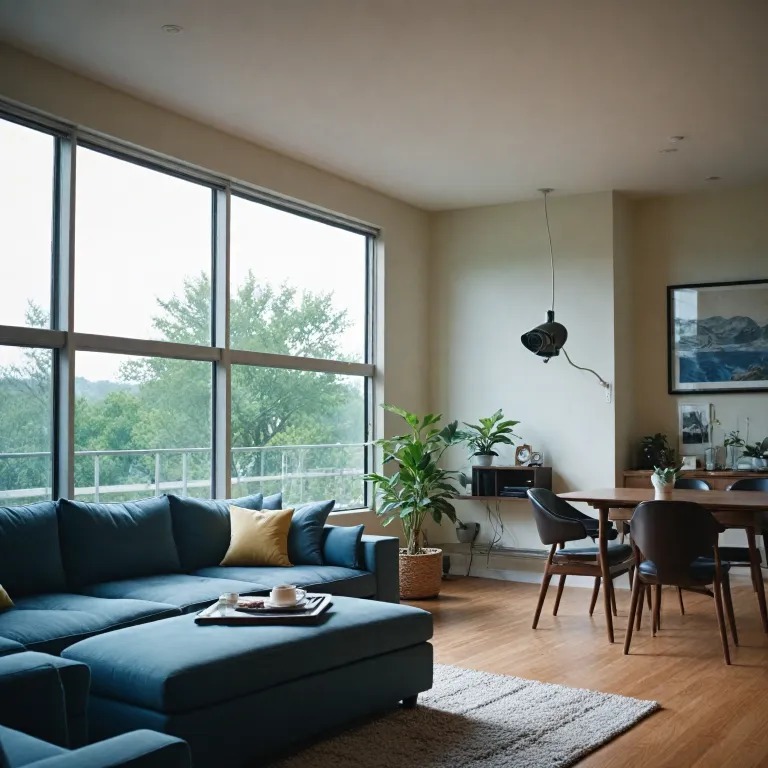
Placing your pan tilt security camera in the right location is crucial for effective surveillance. Start by identifying the main entry points to your home, such as doors, windows, and driveways. These are high-traffic areas where motion detection and real time alerts will be most valuable. For outdoor security, position your camera high enough to avoid tampering but low enough to capture clear details. If you’re using indoor security cameras, corners often provide a wide field of view, allowing the pan and tilt functions to cover more area.Optimizing Camera Angles and Settings
Take advantage of the camera’s tilt and pan capabilities to eliminate blind spots. Adjust the angle so the camera can scan the entire room or yard, and use the zoom security feature to focus on specific areas when needed. Many smart cameras offer auto tracking, which automatically follows movement. Make sure this feature is enabled if your camera supports it. For night vision and color night monitoring, avoid pointing the camera directly at bright lights or reflective surfaces, as this can affect picture quality.Ensuring Reliable Connectivity and Power
A stable wifi connection is essential for real time monitoring and motion detection alerts. Test your wifi signal strength at the intended camera location before installation. If you’re using a wired pan tilt outdoor camera, plan the cable route to protect it from weather and accidental damage. For outdoor installations, check that your camera is rated for weather resistance and has good night vision support.Practical Tips for Installation
- Mount the camera securely using the hardware provided in the pack save or sale price bundles.
- Follow the manufacturer’s instructions for setting up motion detection and audio features.
- Regularly clean the lens to maintain great camera picture quality, especially for outdoor security cameras.
- Test the camera’s pan, tilt, and zoom functions after installation to ensure full coverage.
- Consider using surveillance cameras with free cloud storage or local backup to save important footage.
Common Mistakes to Avoid
Avoid installing your tilt security camera behind glass, as this can interfere with night vision and motion detection. Don’t place cameras in areas with frequent obstructions, like moving branches or busy streets, to reduce false alerts. Finally, always check the camera’s field of view and adjust the pan tilt settings to maximize coverage for both indoor and outdoor security.How to choose the right pan tilt security camera for your needs
Factors to Consider Before Buying
Choosing the right pan tilt security camera for your home can feel overwhelming with so many options on the market. To make a smart decision, focus on the features that matter most for your needs and environment. Here are some key points to help guide your choice:
- Picture Quality: Look for cameras with high resolution for clear images, especially if you need to identify faces or license plates. Good picture quality is essential for both indoor security and outdoor security applications.
- Pan, Tilt, and Zoom (PTZ) Capabilities: A great camera should offer smooth pan and tilt functions, plus zoom security features. This lets you cover more area and focus on details when needed.
- Night Vision and Color Night Vision: If you need surveillance cameras to work in low light, check for night vision or color night vision support. This is crucial for outdoor security and monitoring dark indoor spaces.
- Motion Detection and Auto Tracking: Advanced motion detection and auto tracking features help your camera follow movement in real time, reducing blind spots and improving security.
- Audio Support: Two-way audio lets you listen and speak through the camera, which can be useful for communicating with visitors or deterring intruders.
- Connectivity: Decide if you want a wifi camera for easy installation or a wired pan tilt outdoor camera for more reliable connections. Wifi cameras are convenient, but wired options can offer more stability.
- Weather Resistance: For outdoor use, make sure the camera is weatherproof to handle rain, dust, and extreme temperatures.
- Storage and Saving Options: Some cameras offer free cloud storage, while others require a subscription. Local storage options, like SD cards, can help you save footage without ongoing fees.
- Price and Value: Compare the sale price and features of different cameras. Sometimes, a pack save deal can offer better value if you need multiple cameras for full coverage.
Matching Camera Features to Your Needs
Think about where you’ll place your camera and what you want to monitor. For example, a tilt outdoor camera with strong night vision is ideal for driveways or backyards, while a compact indoor security camera with good motion detection works well for entryways. If you need to cover a large area, a PTZ camera with tilt zoom and auto tracking might be the best fit.
Evaluating Support and Compatibility
Check if the camera supports integration with your existing smart home system. Some cameras work with voice assistants or mobile apps for real time alerts and remote control. Also, look for reliable customer support and clear installation guides to make setup easier.
Summary Table: Key Features Comparison
| Feature | Why It Matters | Best For |
|---|---|---|
| Pan/Tilt/Zoom | Maximizes coverage, reduces blind spots | Large indoor/outdoor areas |
| Night Vision | Clear images in low light | Outdoor, entryways |
| Motion Detection | Alerts you to activity | High-traffic zones |
| Audio Support | Two-way communication | Front doors, porches |
| Wifi/Wired | Ease of installation vs. reliability | DIY setups vs. permanent installs |
| Storage Options | How footage is saved | Continuous or event-based recording |
Take your time to compare different models and prioritize the features that align with your security goals. A well-chosen pan tilt security camera can make a real difference in protecting your home and giving you peace of mind.